
Have you ever felt like something was off, even when everything in your life looked fine on paper? It’s That quiet restlessness often points to a deeper need: a longing to cultivate unshakable trust in yourself and the Divine, to reconnect with your innate gifts, and to listen to the guidance of your higher self. This is where spiritual healing comes in. It goes beyond surface-level symptoms to address the root causes of anxiety, chronic stress, and that lingering sense of being lost. It is about returning to wholeness by nurturing your connection to your inner wisdom and a higher power. This guide will walk you through what spiritual healing truly is, how it works, and how you can begin the journey toward lasting peace today.
Last updated: April 14, 2026
Key Takeaways
- True healing addresses your whole self, not just the symptoms: Spiritual healing works in partnership with traditional medicine by focusing on the emotional and energetic root causes of your pain, recognizing the deep connection between your mind, body, and spirit.
- You can start your healing journey right now with simple practices: You don’t need special gifts or years of training to begin. Setting a clear intention, practicing five minutes of meditation, or focusing on your breath are powerful, accessible ways to reconnect with your inner wisdom.
- Your spiritual path is personal, but you don’t have to walk it alone: It’s normal to face challenges like doubt or emotional releases. Finding a supportive community or a trusted guide provides the encouragement and perspective needed to stay committed to your growth.
What Is Spiritual Healing?
Spiritual healing is a holistic practice that restores balance across mind, body, and spirit by addressing the energetic and emotional root causes of pain, anxiety, and disconnection. Through techniques such as meditation, energy work, prayer, and breathwork, it helps you cultivate unshakable trust in the Divine, reconnect with your innate gifts, and align with the wisdom of your higher self.
So, what exactly is spiritual healing? At its core, it’s a journey back to wholeness. It’s an approach to well-being that looks beyond the surface-level symptoms of our pain—whether that’s anxiety, chronic stress, or a lingering feeling of being lost—to address the deeper spiritual and emotional wounds. Think of it like tending to the roots of a plant instead of just polishing its leaves. When the roots are nourished, the entire plant can’t help but thrive.
Spiritual healing isn’t tied to any single religion or dogma. Instead, it invites you to connect with your own inner wisdom and a higher power, whatever that looks and feels like for you. It’s about finding balance, purpose, and a profound sense of peace from within. This practice honors every single part of you: your mind, your body, and your spirit. It operates from the fundamental truth that you can’t separate one from the others; they are all part of the same beautiful, complex system. By focusing on this complete picture, you can begin to heal from the inside out, creating lasting change that ripples through every area of your life. It’s a gentle yet powerful way to remember who you truly are.
Understanding the Mind-Body-Spirit Connection
At its heart, spiritual healing is built on the understanding that our minds, bodies, and spirits are deeply intertwined. You’ve probably experienced this yourself. Think about how a stressful day at work (a mental issue) can leave you with a tension headache (a physical symptom), or how feeling disconnected and without purpose (a spiritual issue) can lead to feelings of depression. This mind-body-spirit connection isn’t just a nice idea; it’s a reality of our human experience. Spiritual healing works with this principle, acknowledging that a physical ailment might have roots in an unresolved emotional trauma, and recognizing spiritual awakening symptoms is part of that awareness, and that true wellness comes from bringing all parts of ourselves into harmony.
How Spiritual Healing and Traditional Medicine Differ
It’s really important to understand that spiritual healing and traditional medicine aren’t in competition—they can be beautiful partners. While a doctor can set a broken bone or prescribe medication for an illness, their focus is typically on the physical symptoms. Spiritual healing, on the other hand, works on a different level. It addresses the subtle, energetic, and emotional aspects of your being, aiming to restore balance by working with universal life energy. It’s a complementary practice that supports the work of traditional medicine by helping you heal the whole self, not just the part that’s hurting. It never asks you to abandon medical advice, but rather to add another powerful layer to your wellness journey.
The Core Principles of Spiritual Healing
Spiritual healing might sound mysterious, but it’s grounded in a few beautiful, straightforward principles. Think of these as the foundational beliefs that make this work so transformative. It’s not about following rigid rules, but about understanding the gentle yet powerful forces at play when we decide to heal on a soul level. At its heart, spiritual healing recognizes that you are more than just your physical body; you are a being of energy, thought, and spirit. Many who feel this deep calling to heal discover they are lightworkers.
These principles help us see that true well-being comes from addressing the whole picture—mind, body, and soul. When we work with these core ideas, we start to see that our pain, whether physical or emotional, often has deeper roots. By tending to those roots with love and awareness, we create the conditions for profound and lasting change. It’s about shifting from simply managing symptoms to creating a state of genuine wholeness. Let’s look at the three main pillars that support this incredible process.
Tapping into Universal Life Force
At the center of spiritual healing is the idea that a universal life force energy flows through everything and everyone. You might call it God, Spirit, the Divine, or simply universal energy—the name isn’t as important as the feeling of connection to it. This energy is the very essence of life, and when it flows freely within us, we experience health, vitality, and peace. When it’s blocked or stagnant, often due to stress, trauma, or negative beliefs, we can feel unwell or out of sync.
Spiritual healing practices are designed to help you reconnect with this divine source and clear away any blockages. It’s like tuning a radio to the right frequency. By doing so, you allow this healing energy to restore balance to your entire system. A practice like Channeled Spiritual Healing is a direct way to experience this, as it involves consciously connecting with and directing this powerful, loving energy for your highest good.
Using Intention and Faith
Your thoughts and beliefs are incredibly powerful tools in your healing journey. Spiritual healing operates on the principle that where you place your attention, energy flows. Setting a clear intention is like giving that energy a destination. It’s the act of consciously deciding what you want to heal and what you want to create in your life. This isn’t just wishful thinking; it’s an active partnership with the universe.
Faith is the other side of this coin. It’s the deep trust that healing is possible and that you are supported by a loving presence. While medicine can treat physical symptoms, faith and intention address the underlying spiritual and emotional causes. When you combine a clear intention with unwavering faith, you create a powerful magnetic field for miracles. Learning how to surrender to God is a foundational step in building that trust. This is a core part of what you can explore in The God Immersion Program, where you learn to build that unshakable trust in the Divine’s plan for you.
Connecting with Your Inner Wisdom
You have a deep well of wisdom inside you—an inner knowing or intuition that always guides you toward your highest good. However, the noise of daily life, past hurts, and other people’s opinions can make it hard to hear this gentle voice. A key principle of spiritual healing is learning to quiet the external world so you can tune into your own inner guidance. This inner wisdom holds the answers to why you’re suffering and what you need to do to heal.
Practices like meditation, prayer, and journaling are all ways to build this connection. They create a sacred space for you to listen. If you want practical guidance on cultivating this kind of receptive listening, explore our guide on how to hear God’s voice. As you learn to trust this inner voice, you’ll find a greater sense of purpose and resilience, even in difficult times. Joining a Spiritual Awakening Circle can provide a supportive environment to practice listening and sharing the wisdom you uncover, reminding you that you’re not alone on this path.
Spiritual Healing Techniques to Start Today
You don’t need years of training or a special gift to begin your healing journey. Spiritual healing is accessible to everyone, and it starts with simple, consistent practices that you can weave into your daily life. These techniques are about creating space to connect with yourself and the Divine. Think of them not as chores, but as acts of love for your soul. The most powerful tool you have is your intention, and you can start using it right now.
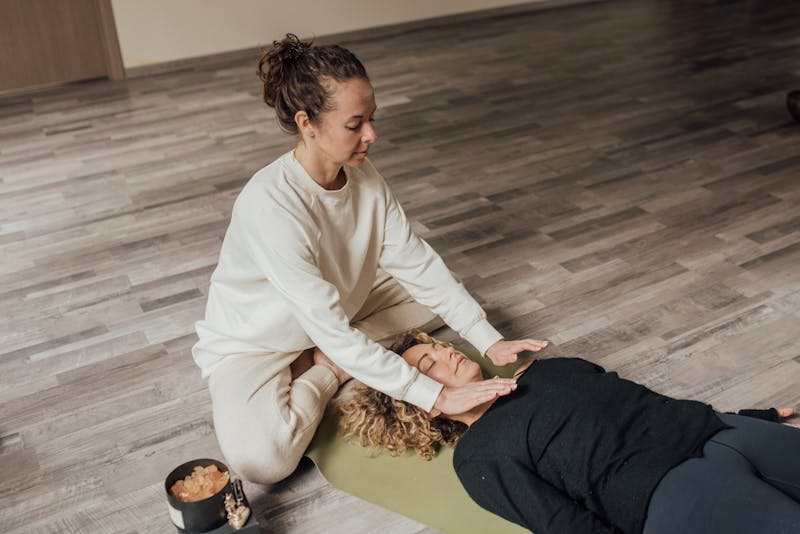
Practice Meditation and Mindfulness
Meditation is simply the practice of focusing your mind to find calmness and clarity. It’s not about emptying your head of all thoughts—it’s about observing them without judgment. This practice is fundamental for spiritual growth and emotional balance. You can start with just five minutes a day. Find a quiet place, close your eyes, and focus on your breath. Notice the sensation of the air entering and leaving your body. When your mind wanders (and it will!), gently guide your attention back to your breath. That’s it. You’re meditating. Mindfulness is carrying that awareness into your day, paying full attention to one thing at a time, whether it’s sipping your tea or walking outside.
Balance Your Chakras Through Energy Work
Your body has energy centers called chakras, and when they’re aligned, you feel more balanced and vibrant. The beautiful thing is that you don’t need to be a seasoned healer to practice energy healing. Practices such as kundalini awakening and chakra meditation can unlock deep energetic shifts. A simple way to start is with visualization. Sit comfortably and imagine a warm, healing light at the base of your spine (your root chakra). See it glowing brightly, then slowly allow that light to travel up your spine, illuminating each of the seven main chakras one by one. This practice helps you become more aware of your own energy and is a wonderful way to check in with yourself. For guided support, joining a group like a Spiritual Awakening Circle can be incredibly powerful.
Create Sacred Rituals and Prayers
Rituals bring intention and sacredness to everyday moments. It can be as simple as lighting a candle before you journal or saying a few words of thanks before a meal. Prayer is your direct line to the Divine, and it doesn’t have to be formal or rehearsed. It’s a conversation from your heart. Research shows that connecting with a higher power through personal prayer or chants can be a deeply healing experience. Try speaking to God, the Universe, or your higher self as you would a trusted friend. Share your hopes, your fears, and your gratitude. This simple act builds a profound and personal relationship with Spirit.
Incorporate Breathwork and Gratitude
Your breath is a powerful anchor to the present moment and a tool for shifting your energy. When you feel overwhelmed, try a simple box breathing exercise: inhale for four counts, hold for four, exhale for four, and hold for four. Repeat this a few times to calm your nervous system. Alongside breathwork, a gratitude practice can completely reframe your perspective. At the end of each day, write down three things you’re grateful for. This small act trains your mind to focus on the good in your life, which is a cornerstone of any spiritual healing journey.
The Benefits of Spiritual Healing
When you begin to heal on a spiritual level, the effects ripple out into every corner of your life. It’s not just about feeling more connected to something greater; it’s about transforming your daily experience from the inside out. This path helps you release what no longer serves you, making space for more peace, vitality, and a profound sense of purpose. The work you do on your spirit touches your mind, your body, and your heart.
Find Emotional and Mental Clarity
Spiritual healing helps you sort through the mental clutter and emotional weight you’ve been carrying. It’s a process of gently untangling old beliefs, past hurts, and anxieties that can cloud your perspective. As you clear these energetic blocks, you start to feel a sense of renewal, almost like you’re rebuilding your identity on a foundation of truth and self-love. This newfound clarity brings a quiet confidence, making it easier to make decisions that align with your soul’s purpose and to respond to life’s challenges with grace instead of fear. It’s about creating a peaceful inner world so you can show up as your most authentic self.
Support Your Physical Well-Being
Your spiritual health is deeply intertwined with your physical body. When your spirit is burdened by unresolved emotional issues, it can manifest as physical symptoms like fatigue, tension, or poor sleep. Spiritual healing works to address the root causes of these issues, not just the surface-level discomfort. As you release spiritual and emotional stress, you might notice you have more energy, sleep more deeply, and feel more resilient. It’s a holistic approach that honors the powerful mind-body connection and supports your overall vitality.
Deepen Your Spiritual Connection
At its heart, spiritual healing is about restoring your personal relationship with the Divine, an experience some describe as awakening to Christ consciousness. This journey helps you move beyond intellectual concepts and into a direct, felt experience of love, guidance, and support from a higher power. This connection becomes a source of immense strength, comfort, and wisdom you can draw upon anytime. Whether you’re seeking to understand your purpose or simply want to feel more peace, a channeled spiritual healing session can open the door to a profound homecoming to the love that has always been within and around you.
What to Expect in a Spiritual Healing Session
Deciding to try a spiritual healing session is a beautiful step, but it’s natural to wonder what it will actually be like. While every practitioner has their own unique approach, most sessions share a common foundation of creating a safe, supportive space for you to connect with your inner wisdom and the Divine. Think of it less like an appointment and more like a sacred time carved out just for you. Whether you meet in person or virtually, the goal is to help you relax, open your heart, and receive the healing you’re ready for. Knowing what to anticipate can help you release any nervousness and fully embrace the experience.
The Healing Space
Your session will likely take place in a calm and peaceful environment designed to help you feel safe and relaxed. If you’re meeting in person, this might be a cozy room with soft lighting and comfortable seating. For virtual sessions, your practitioner will guide you on how to create a similar sanctuary in your own home—a quiet spot where you won’t be disturbed. The purpose of this intentional space is to support the holistic nature of spiritual healing, which honors the deep connection between mind, body, and spirit. It’s a physical container that allows your nervous system to settle, making it easier to turn your attention inward and be receptive to healing energy.
Your Practitioner’s Role
Think of your spiritual healer not as someone who “fixes” you, but as a guide and facilitator for your own healing journey. Their role is to hold a compassionate, non-judgmental space and act as a channel for divine energy and wisdom. They are there to support you in releasing what no longer serves you and connecting with your own inner truth. During one of Mark Anthony’s Channeled Spiritual Healing Sessions, for example, he serves as a direct conduit for the Holy Spirit’s guidance. Your practitioner trusts that your soul knows exactly what it needs, and they are simply there to help you access that wisdom and allow the healing to unfold naturally.
What You Might Feel or Experience
Everyone’s experience during a spiritual healing session is unique, so it’s best to let go of any specific expectations. You might feel physical sensations like warmth, coolness, or a gentle tingling as energy moves through your body. Many people enter a state of deep relaxation, similar to meditation. It’s also very common to have an emotional release, which could look like shedding a few tears as old energy is cleared. You might see colors, receive intuitive insights, or simply feel a profound sense of peace. It’s also completely normal to feel very little at all. The healing works on subtle levels, and its effects can continue to integrate in the hours and days following your session.
Common Myths About Spiritual Healing
As you begin to explore spiritual healing, you might run into some common misconceptions. It’s a practice that can feel mysterious at first, and it’s easy for myths to cloud our understanding. Let’s clear up a few of the biggest ones so you can approach your healing path with confidence and clarity. Seeing past these myths is the first step toward opening yourself up to the profound support that spiritual healing can offer.
Myth: It’s Just a Placebo Effect
Many people dismiss spiritual healing as nothing more than the placebo effect, believing that any benefits come from wishful thinking rather than a genuine energetic shift. While a positive mindset is certainly helpful, the healing itself runs much deeper. True spiritual healing creates tangible changes in your emotional, mental, and even physical state, regardless of how much you “believe” in it at the start. Many people who begin their journey with a healthy dose of skepticism are surprised by the real sense of peace and clarity they experience during and after a Channeled Spiritual Healing Session. The healing meets you where you are.
Myth: You Have to Be “Gifted”
There’s a persistent idea that only certain people with special, innate “gifts” can practice or receive spiritual healing. This simply isn’t true. We all have spiritual gifts and the ability to connect with divine energy because it is a natural part of who we are. Healing is not an exclusive club; it’s a universal resource available to everyone. You don’t need to be a guru or a psychic to begin. The only requirement is a willingness to open your heart and learn. A community like a Spiritual Awakening Circle is a perfect place to see that this ability lives in everyone.
Myth: It Replaces Medical Care
This is a critical and potentially harmful misconception. Spiritual healing should never be seen as a substitute for professional medical treatment from a doctor. Instead, think of it as a powerful and supportive complement to your existing health care. While medicine often focuses on the physical body, spiritual healing addresses the whole person—mind, body, and spirit. It can help you manage stress, process difficult emotions, and find inner peace, which creates an optimal environment for your body to heal. It’s about adding a vital tool to your wellness toolkit, not throwing the others away.
How to Prepare for Your First Spiritual Healing Session
Stepping into your first spiritual healing session can feel like a mix of excitement and nervousness. To get the most out of the experience, a little preparation goes a long way. Think of it like tidying up a room before a guest arrives; you’re simply creating a welcoming space for healing to enter. These simple steps aren’t about getting it “right”—they’re about opening yourself up to the process. By setting the stage beforehand, you signal to yourself and the universe that you are ready to receive, connect, and transform.

Set a Clear Intention
Before your session, take a few quiet moments to ask yourself: What do I truly want to heal? Setting a clear intention is crucial for spiritual healing because it focuses your energy and gives the session a direction. Your intention is your North Star. It could be about releasing a specific emotional pattern, seeking clarity on a life decision, or simply asking for a deeper connection to the Divine. You can write it down, say it out loud, or hold it in your heart. A clear intention is the first step in co-creating your healing journey with your practitioner and Spirit, making it a powerful foundation for your Channeled Spiritual Healing Session.
Create Your Sacred Space
Your environment has a huge impact on your state of mind. Creating a sacred space, even for a virtual session, can greatly enhance your experience. This doesn’t have to be complicated. Find a quiet, comfortable spot where you won’t be interrupted. You might light a candle, diffuse a calming essential oil, or wrap yourself in a soft blanket. The goal is to create a personal sanctuary where you feel safe, grounded, and able to fully relax. Turn off your phone notifications and let anyone you live with know that you need this time for yourself. This simple act honors the importance of your healing work.
Arrive with an Open Heart and Mind
Perhaps the most important preparation is to show up with an open heart and mind. It’s natural to have expectations, but try to release any rigid ideas about what the session should look or feel like. Healing is an unfolding process, and it often surprises us. Arriving with an open mind allows you to be receptive to whatever insights, feelings, or sensations arise without judgment. Trust that whatever comes through is exactly what you need in that moment. This attitude of gentle curiosity is a cornerstone of growth, whether in a private session or a Spiritual Awakening Circle.
Common Challenges on Your Healing Path
Your spiritual healing path is a personal journey, and like any meaningful adventure, it will have its share of twists and turns. It’s completely normal to encounter challenges that test your commitment and resolve. These moments aren’t signs that you’re doing something wrong; they are opportunities for deeper growth and understanding. Facing resistance, whether it comes from within yourself or from old patterns, is an integral part of the process.
Recognizing these common hurdles can help you meet them with grace and compassion. Instead of feeling discouraged, you can see them as guideposts, showing you exactly where you need to direct your love and attention. The key is to remember that you are not alone in these experiences and that support is always available. Every person on a healing journey walks through these same valleys.
Handling Emotional Releases
As you begin to heal, you might notice intense emotions bubbling to the surface—sadness, anger, or fear you thought you had moved past. This can feel overwhelming and may even resemble what is known as the dark night of the soul, but it’s actually a positive sign. These emotional releases are old, stagnant energies finally leaving your system. Your only job is to allow them to move through you without judgment. Trying to suppress them is like holding a beach ball underwater; it will only pop back up with more force.
Instead, create a safe space to feel. This could mean journaling, crying, talking with a trusted friend, or seeking guided support through a Channeled Spiritual Healing Session. Taking time for activities that fill your spiritual cup is essential for maintaining balance as your body and mind recalibrate.
Staying Consistent with Your Practice
Some days, your spiritual practice will feel effortless and uplifting. Other days, you might struggle to even sit for five minutes of meditation. Life gets busy, and difficult moments can make it hard to show up for yourself. It’s important to release the idea of perfection. Being spiritual doesn’t mean you have to feel serene and connected all the time. We all have bad days.
Consistency isn’t about an unbroken streak; it’s about your willingness to return to your practice again and again. If you miss a day, just begin again the next. Finding a community, like a Spiritual Awakening Circle, can provide the encouragement and structure you need to stay committed. Remember, a little bit of practice done consistently is far more powerful than sporadic, lengthy sessions.
Balancing Skepticism and Faith
It’s natural to have doubts. You might wonder if healing is “really” working or question if you’re “doing it right.” Many people mistakenly believe that you need special gifts to practice spiritual healing or that it’s just a placebo effect. This internal tug-of-war between skepticism and faith is a common part of the journey. A healthy dose of questioning can actually strengthen your connection because it encourages you to seek your own truth through direct experience.
You don’t have to force yourself to believe anything. Instead, approach your healing with an open heart and a curious mind. See it as an experiment. Pay attention to the subtle shifts in your energy, mood, and perspective. Your personal experience will always be your most convincing evidence. Learning about your practitioner’s own spiritual journey can also help build the trust needed to let go and receive.
How to Find Your Spiritual Community
Walking a spiritual path can sometimes feel lonely, but it doesn’t have to be. Finding a community of like-minded people provides support, encouragement, and a space to share your experiences without judgment. When you connect with others who are also committed to their growth, you create a powerful collective energy that helps everyone involved. Whether you’re looking for a one-on-one guide or a group to grow with, the right community is out there. The key is to find people and spaces that feel aligned with your heart and your personal journey. Here are a few ways to start building those connections.
Find Practitioners Who Resonate with You
Finding the right spiritual practitioner is a lot like finding a good friend—it’s all about the connection. You want someone you can trust, who understands your perspective, and whose energy feels right to you. Many people think that only a select few have the “gift” of healing, but the truth is that anyone can learn to harness and channel energy. This means you have many options, so take your time finding a practitioner who feels authentic. Look for healers, guides, or mentors who offer services like Channeled Spiritual Healing Sessions to receive personalized guidance and support on your path. Trust your intuition during your search; the right person will feel like a natural fit.
Join a Healing Circle or Group
There is incredible power in shared experience. A healing circle or spiritual group offers a safe and supportive environment where you can connect with others, share your journey, and learn from the collective wisdom of the group. Being in a community reminds you that you aren’t alone in your questions or challenges. Making time for things that make you feel spiritually full is essential for your mental and physical balance. A Spiritual Awakening Circle can provide that dedicated space for growth, offering a sense of belonging and mutual encouragement that is hard to find elsewhere. It’s a beautiful way to fill your spiritual cup alongside others who get it.
Work with a Spiritual Teacher or Guide
While a practitioner might guide you through a specific healing session, a spiritual teacher or guide offers ongoing mentorship for your journey. A good teacher helps you make sense of your experiences and provides tools to handle the natural ups and downs of a spiritual life. Let’s be real: being spiritual doesn’t mean you feel blissful all the time. We all have bad days and deal with life’s messes. A guide is someone who can hold space for all of it, offering wisdom and perspective when you feel stuck. Programs like The God Immersion Program are designed to provide this kind of deep, consistent support, helping you build a strong foundation for lasting transformation.
How to Know If Spiritual Healing Is Working
So, how do you know if all this inner work is actually working? Unlike a physical injury with a clear healing timeline, the signs of spiritual healing are often more subtle. There isn’t always a single “aha!” moment that changes everything overnight. Instead, think of it as a series of small, quiet shifts that add up to profound change over time. The process is less about a dramatic transformation and more about a gentle unfolding of your true self.
You’ll start to notice changes in how you feel, how you react to the world, and how you see your place in it. Maybe you feel a little lighter, or a difficult conversation doesn’t drain you the way it used to. Perhaps you find yourself responding with compassion instead of frustration. These are the markers of progress. The key is to pay attention to these shifts, both big and small, because recognizing your progress is part of the healing itself. It’s about noticing the new sense of peace and clarity that begins to settle into your life. You can look for these changes in two main areas: the transformations you see in your daily life and the personal growth you feel within. You may also notice signs that God is restoring you in unexpected ways.
Look for Signs of Transformation
One of the clearest signs that healing is taking place is a shift in your emotional state. You might find a newfound sense of balance, where you’re less reactive to life’s ups and downs. This doesn’t mean you won’t have bad days, but your ability to return to a place of peace becomes quicker and easier. This emotional stability often leads to a higher quality of life overall. As you heal, you may also feel like you’re rebuilding your identity from the ground up, experiencing what some call ego death, and shedding old layers that no longer serve you. This can be a powerful part of the process, supported by practices like Channeled Spiritual Healing Sessions that help clear energetic blocks.
Acknowledge Your Personal Growth
Spiritual healing often works from the inside out. It addresses the deep-seated root causes of our pain, like old traumas or limiting beliefs about ourselves. As these layers begin to heal, you’ll notice a significant growth in self-awareness. You’ll start to understand why you feel the way you do. With this understanding comes a deeper connection to your own unique gifts and purpose. You might feel a quiet confidence emerging as you align more with who you truly are. This journey of self-discovery, through each of the stages of spiritual awakening, is a continuous process, and finding a community like a Spiritual Awakening Circle can provide invaluable support as you grow.
Related Articles
- Is Religious Trauma Real? A Guide to Understanding
- How to Heal from Religious Trauma: 9 Steps
- What Is a Spiritual Awakening? The 5 Stages
- Kundalini Awakening: Stages, Symptoms & Spiritual Meaning
- Spiritual Gifts: What Are the Gifts of the Holy Spirit & How to Discover Yours
- How to Surrender to God: The Spiritual Practice of Letting Go
- Christ Consciousness: What It Is & How to Awaken It
Frequently Asked Questions About Spiritual Healing
Do I need to be religious to benefit from spiritual healing? Not at all. Spiritual healing is about connecting with a higher power, but you get to define what that means for you. It could be God, the Universe, Source, or the deep wisdom within yourself. This practice is inclusive and honors your personal beliefs, whatever they may be. The focus is on your inner connection and well-being, not on adhering to any specific doctrine or religious rules.
How is spiritual healing different from therapy? Think of them as wonderful partners that work on different levels of your being. Therapy is fantastic for helping you understand and process your thoughts, emotions, and behaviors from a psychological standpoint. Spiritual healing works on an energetic and soul level, addressing the root spiritual causes of your pain and helping you reconnect with your inner truth. Many people find that combining both creates a more complete and powerful path to wholeness.
What if I don’t feel anything during my first healing session? This is completely normal, so please don’t worry if you don’t have a dramatic experience. Healing works in subtle ways, and you don’t need to feel tingles or see colors for it to be effective. Sometimes the shifts are quiet and integrate slowly in the hours and days following a session. The most important thing is to arrive with an open heart and trust that your soul is receiving exactly what it needs, whether you can feel it in the moment or not.
How long does it typically take to notice changes? Healing is a personal journey, not a race with a finish line. Some people feel a significant shift after just one session, while for others, it’s a more gradual process of noticing small changes over time. You might realize you’re less reactive in stressful situations or that you feel a quiet, steady sense of peace you didn’t have before. It’s best to release any rigid timelines and instead focus on celebrating the small signs of progress along the way.
Can I practice spiritual healing on my own, or do I need a guide? You can absolutely do both. Practicing on your own through meditation, journaling, and gratitude is a powerful way to build a daily connection with yourself and the Divine. However, working with a skilled practitioner or a guide can be incredibly helpful. They can hold a safe space for you to go deeper, help you move through significant energetic blocks, and offer a perspective that is difficult to see when you’re on your own.
How does spiritual healing help me reconnect with my innate gifts? Spiritual healing works by clearing the emotional and energetic blocks that keep you from seeing who you truly are. As old patterns of fear, doubt, and conditioning fall away, you naturally begin to recognize the innate gifts you were born with. Whether those gifts are intuition, compassion, creativity, or deep sensitivity, healing creates the space for them to emerge. Cultivating unshakable trust in the Divine and your higher self allows these gifts to flourish and become a source of purpose in your daily life.
What role does my higher self play in the healing process? Your higher self is the wisest, most loving part of you, the part that exists beyond fear and ego. In spiritual healing, connecting with your higher self is essential because it serves as your inner compass, guiding you toward the choices, relationships, and experiences that align with your soul’s purpose. Practices like meditation, prayer, and channeled healing sessions help quiet the noise of daily life so you can hear that guidance more clearly and build unshakable trust in the path unfolding before you.
Is spiritual healing safe for everyone? Yes, spiritual healing is a gentle, non-invasive practice that is safe for people of all ages and backgrounds. It does not involve any physical manipulation or medication. However, it is always recommended to continue any prescribed medical treatments alongside your spiritual healing practice. If you have specific health concerns, consult with both your healthcare provider and a qualified spiritual healing practitioner to create a balanced approach to your well-being.
What is the difference between spiritual healing and energy healing? While the terms are often used interchangeably, spiritual healing is a broader practice that encompasses energy healing as one of its many modalities. Energy healing focuses specifically on working with the body’s energetic field through techniques like Reiki, chakra balancing, and pranic healing. Spiritual healing, on the other hand, also includes prayer, meditation, intention work, and connecting with your higher self. Think of energy healing as one powerful tool in the larger spiritual healing toolkit.
Can spiritual healing help with anxiety and depression? Many people find significant relief from anxiety and depression through spiritual healing practices. By addressing the root spiritual and energetic causes of emotional pain, rather than just the symptoms, spiritual healing can bring a deeper and more lasting sense of peace. Practices like meditation, breathwork, and energy clearing help calm the nervous system and release stored emotional patterns. While spiritual healing can be a wonderful complement to professional mental health care, it should not replace therapy or medication prescribed by a licensed professional.
How often should I practice spiritual healing? The ideal frequency depends on your personal needs and the intensity of what you are working through. For daily self-care, even five to ten minutes of meditation, breathwork, or gratitude practice can make a meaningful difference. For sessions with a practitioner, many people start with weekly or biweekly sessions and then adjust as they notice shifts in their well-being. The key is consistency. Just like physical exercise, the benefits of spiritual healing compound over time when you make it a regular part of your life.
Spiritual Healing for Addiction: How Faith Supports Recovery
For people in addiction recovery, spiritual healing begins when you stop trying to recover by willpower alone and become willing to receive help from a Higher Power. Mark Anthony Lord brings 34+ years of continuous sobriety, 12-step experience, and A Course in Miracles wisdom to this path, offering a faith-based way to heal shame, fear, and disconnection while staying grounded in daily recovery practices.
If you are sober, newly sober, or seeking freedom from addiction, spiritual healing can support the work you are already doing: honest inventory, prayer, meditation, amends, forgiveness, service, and learning to trust love again. It is not a replacement for medical care, therapy, or a recovery program. It is the inner spiritual foundation that helps recovery become a way of life.
As you deepen this work, you may also need help with freedom from guilt in recovery or with healing from church trauma when old religious wounds make faith feel unsafe.
What Does Spiritual Recovery Mean?
Spiritual recovery means rebuilding your life through a conscious relationship with a Higher Power, honest self-reflection, emotional healing, and daily practices that support sobriety. It is not about perfect belief. It is about letting faith, willingness, and spiritual support help you stay free one day at a time.
What Are the 7 Steps to Spiritual Recovery?
A practical path includes surrender, honesty, willingness, inventory, forgiveness, spiritual practice, and service. These steps mirror the heart of 12-step spirituality while giving you simple ways to heal shame, restore trust, and deepen your connection with God as you recover.
Many people also describe a spiritual awakening in recovery as the moment they realize they are no longer alone and no longer defined by the past.