When something inside you feels stuck, anxious, or disconnected, it can be hard to explain the problem with words alone. Energy healing offers a gentle way to slow down, listen inwardly, and support greater balance across your emotional, spiritual, and physical experience.
Energy healing is a complementary practice based on the belief that the body has an energetic system that can be supported through focused intention. Light touch or no-touch techniques, prayer, breathwork, and other approaches. People commonly explore it to encourage relaxation, emotional release, spiritual connection, and a renewed sense of inner steadiness. It should complement, not replace, appropriate medical or mental health care.
This guide explains what energy healing is, how practitioners believe it works, the major types available, what research says, and what you can expect in a session. It also introduces channeled spiritual healing. An approach that combines Holy Spirit channeling with chakra-based energy work to help uncover and release the deeper blocks that may be keeping you from peace.
What is energy healing?
Energy healing is a complementary practice that works with the idea of subtle energy in and around the body. Practitioners may use touch, hands held above the body, prayer, or focused attention. The aim is to support balance, self-awareness, and a person’s natural healing response.
The energy field idea
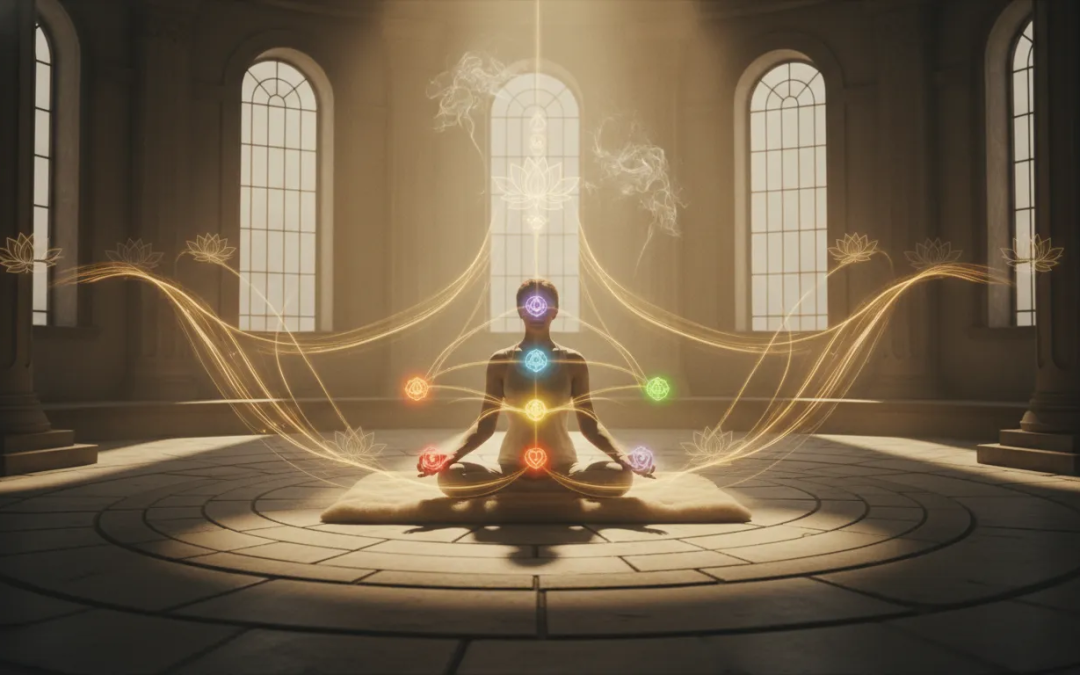
In energy healing, “energy” means more than physical strength or mood. It refers to a subtle field that practitioners believe can become blocked or unbalanced. Some systems describe this field through chakras, while others use terms such as biofield or life force.
Energy medicine aims to assess and address such imbalances, with balance as its goal. A peer-reviewed overview of energy medicine describes both human-touch and device-based forms. This framework offers one way to explore how physical feelings, thoughts, emotions, and spiritual life may relate.
A mind-body and spiritual frame
A session may include quiet reflection, gentle touch, breathwork, prayer, or attention to different areas of the body. These practices can create space to notice stress, grief, fear, or old beliefs. The point is not to deny pain, but to meet it with care and honesty.
In Mark Anthony Lord’s work, energy healing may include chakra reading and Holy Spirit channeling. The focus is clearing blocks that can cloud a direct relationship with God. Readers who want more context can explore this guide to broad spiritual healing.
A complement, not a cure
Energy healing is not medical treatment, and it should never replace care from a licensed health professional. It may sit beside medical care, therapy, recovery work, or other forms of support. Keep taking prescribed medicine and seek qualified help for symptoms or urgent concerns.
Reiki offers a clear example of the difference. The National Center for Complementary and Integrative Health defines Reiki as a complementary approach using hands lightly on or above a person. It also says research has not clearly shown Reiki to work for health-related purposes.
- Use energy healing for reflection, spiritual support, or a sense of balance.
- Use licensed medical or mental health care to assess and treat health conditions.
- Tell each provider about the other forms of care you receive.
This distinction makes room for both spiritual experience and sound care. Energy healing can be meaningful without making promises that evidence does not support.
How does energy healing work?
Intention, presence, and touch
Practitioners describe energy healing as a process of noticing and tending to subtle energy around and within the body. They often begin with a clear intention, such as supporting peace, balance, or openness. The client usually rests while the practitioner stays focused and present.
Methods differ, but sessions may involve light touch or no touch at all. In Reiki, practitioners place their hands lightly on or just above a person. The stated aim is to help the person’s own natural healing response, according to the National Center for Complementary and Integrative Health.
Relaxation and the body’s healing capacity
A calm setting gives the client space to slow down and notice what is happening inside. That pause may make held feelings, physical tension, or restless thoughts easier to name. A practitioner may use prayer, silence, breath, or gentle hand positions to support this process.
Energy healing does not force the body to change. Practitioners see their role as creating supportive conditions while the body does its own work. This view is also central to channeled energy healing, where spiritual guidance and receptive attention shape the session.
Rest can be meaningful, but it should not become a way to avoid pain. Honest healing makes room for grief, fear, anger, and doubt. It does not demand that a person act peaceful before those feelings have been heard.
Chakras and scientific caution
Some practitioners use chakras as a map for exploring emotional, physical, and spiritual themes. They may sense where energy feels stuck, then direct prayer or attention toward that area. Readers who want that framework can explore this guide to the seven chakras.
These ideas remain spiritual models, not proven medical explanations. Research has not clearly shown Reiki to be effective for any health-related purpose. Studies have examined pain, anxiety, and depression, but many have been low quality or produced mixed results.
For that reason, energy healing is best treated as a complementary spiritual practice. It should not replace medical care, therapy, prescribed medicine, or urgent help. A responsible practitioner respects those limits while holding space for prayer, rest, and personal insight.
Common types of energy healing
Energy healing is not one fixed practice. It is a broad family of methods that work with subtle energy, attention, movement, sound, touch, or spiritual connection. Each method offers a different way to notice imbalance and support a return to steadiness.
How the main methods differ
Some methods ask you to rest while a practitioner works. Others invite you to breathe, move, pray, or take an active part. The right fit often depends on your beliefs, comfort with touch, and reason for exploring the work.
Before choosing, ask what the practice centers on and what it expects from you. You may prefer quiet receiving, active movement, or a God-centered form. A clear practitioner should explain the process, respect your limits, and welcome your questions.
| Method | Main focus | What a session may involve | Your role |
|---|---|---|---|
| Reiki | Supporting the natural healing response | Hands placed lightly on or just above the body | Resting and receiving |
| Chakra healing | Exploring balance across the chakra system | Reflection, guided attention, prayer, or energy work | Receiving and reflecting |
| Channeled spiritual healing | Divine guidance and clearing spiritual blocks | Prayer, channeling, chakra reading, and coaching | Listening, receiving, and responding |
| Pranic healing | Cleansing and balancing the energy field | Scanning and no-touch energy work | Resting and receiving |
| Acupuncture | Working with mapped points and energy pathways | Thin needles placed at selected points | Resting during treatment |
| Qigong | Cultivating energy through mindful practice | Gentle movement, breath, and focused attention | Moving and practicing |
| Sound healing | Using sound to support focus and calm | Voice, bowls, instruments, or recorded tones | Listening and noticing |
Touch, movement, and spiritual connection
Reiki is among the better-known hands-based forms. A practitioner places hands lightly on or just above the body. The National Center for Complementary and Integrative Health describes Reiki as a complementary approach, not a proven medical treatment.
Chakra healing uses the chakra system as a map for inner awareness and balance. It may include guided attention, reflection, prayer, or hands-off energy work. This energy chakra balancing guide explains the framework in more depth.
Pranic healing also tends to be hands-off, but it centers on scanning, cleansing, and balancing the energy field. Acupuncture takes a more physical route by placing thin needles at selected points. Qigong differs again because the person practices gentle movement, breath, and focused attention.
Sound healing uses voice, bowls, instruments, or tones as the point of focus. The sound may help someone settle, listen inward, and notice what arises. It should not be used to dismiss pain or avoid needed emotional care.
What makes channeled spiritual healing distinct?
Channeled spiritual healing puts the relationship with God at the center of the session. In Mark Anthony Lord’s work, it can include chakra reading, Holy Spirit channeling, prayer, and modern coaching. The aim is not to force an outcome, but to bring hidden blocks into honest awareness. When energy work reveals specific stuck areas, these spiritual blockage healing steps offer a structured approach to releasing what no longer serves you.
This approach can suit someone who wants energy work grounded in direct spiritual connection. It also makes room for hard feelings instead of covering them with positive language. A guide to channeled energy healing offers a closer look at this form of practice.
No single method is right for everyone. Energy healing can support spiritual reflection and personal care, but it is not a medical cure. Keep qualified medical and mental health care in place when you need it.
What makes channeled spiritual healing different?
Channeled spiritual healing differs from a general energy healing session because it joins chakra reading with Holy Spirit channeling. In Mark Anthony Lord’s work, the aim is not just to shift energy. It is to clear blocks that can make a direct, personal relationship with God feel hard to reach. That focus gives the work a spiritual center while keeping the experience personal and inclusive.
Holy Spirit channeling and chakra work
During a session, chakra reading offers a framework for noticing where energy may feel blocked or out of balance. Holy Spirit channeling brings prayerful guidance into that same process. Together, these parts create an approach that is distinct from methods focused only on energetic technique. The channeled energy healing guide explores this form of divine connection in more depth.
Some energy practices center on touch, technique, or a practitioner’s sense of subtle energy. Channeled work adds an explicit request for Holy Spirit guidance. The chakra reading helps give that guidance a clear point of focus. The purpose remains clearing spiritual blocks, not making medical diagnoses.
This work should also be kept separate from medical care and medical claims. The National Center for Complementary and Integrative Health describes Reiki as a complementary approach, not a proven treatment for health conditions. That distinction matters here. Channeled spiritual healing supports spiritual and emotional exploration; it does not replace care from a qualified health professional.
A personal relationship with God, without dogma
The heart of this approach is a direct bond with God, rather than a demand to follow one religious system. Mark’s work welcomes people from many paths, including those who have felt pushed aside by traditional religion. God is approached as personal and present, not as a distant idea guarded by rules. This is where God gets personal and miracles become a way of life.
Chakra work does not have to compete with that relationship. It can become a practical way to notice fear, grief, guilt, or other inner blocks. For readers who want to explore this bridge, God-centered energy healing practices join chakra work with prayer. The point is not dogma; it is honest contact with what needs care.
Healing without spiritual bypassing
Channeled spiritual healing does not ask you to cover pain with positive language or rush toward a spiritual answer. It makes room for emotional and religious wounds instead of treating them as proof that faith has failed. That stance is central for people who want to heal without denying what happened.
Spiritual bypassing can sound peaceful while leaving the deeper hurt untouched. Mark’s approach is more direct: notice the block, meet it honestly, and bring it into a personal relationship with God. Energy healing then serves the larger work of truth, connection, and healing. It is not a way to avoid hard feelings.
This blend is what makes the approach different. Chakra reading gives a map, Holy Spirit channeling offers spiritual guidance, and honest emotional work keeps the process grounded. The session centers on clearing what stands between a person and God, without forcing one religious path. It holds energy, prayer, and lived pain in the same conversation.
What to expect in an energy healing session
An energy healing session often follows a simple path: arrive, settle, receive the work, and notice what follows. The exact method depends on the practitioner and your needs. Some approaches use light touch or hands held just above the body. The National Center for Complementary and Integrative Health describes this method in its overview of Reiki.
Before the session
You may begin with a short talk about why you came and what feels stuck. Share any physical limits, touch preferences, emotional concerns, or spiritual questions. A good practitioner should explain the method and ask for consent before any touch. You can also ask to pause or stop at any time.
Wear loose clothes, drink water, and avoid rushing into the appointment. You do not need to clear your mind or reach a special spiritual state. An open but grounded attitude is enough. If chakra work is new to you, this energy chakra balancing guide offers a useful starting point.
During the session
Most sessions invite you to sit or lie down while remaining fully clothed. The practitioner may pray, speak, stay quiet, or move their hands around different areas. In a God-centered setting, the work may also include chakra reading and Holy Spirit channeling. Ask what will happen before you begin.
- Settle in: Take a few slow breaths and notice how your body feels without trying to change it.
- Name an intention: Choose a simple focus, such as peace, clarity, grief, fear, or a closer bond with God.
- Receive the work: Rest while the practitioner uses prayer, light touch, hands-off work, or another agreed method.
- Notice your response: You may sense warmth, tingling, calm, emotion, images, or nothing clear at all.
- Close and reflect: Take time to sit up, share what arose, and discuss gentle next steps.
No single sensation proves that energy healing is working. A quiet session can still offer space for honest reflection. Strong feelings may also surface, so there is no need to force peace or hide pain. Let your response be what it is.
After the session
Afterward, you may feel calm, tired, tender, clear, or much the same as before. Give yourself some quiet time, drink water, and write down anything you want to remember. Notice changes over the next few days without treating every mood or event as a sign.
Keep expectations grounded. Research has not clearly shown Reiki to treat health conditions, and study results remain inconsistent. Energy healing should support, not replace, care from a licensed medical or mental health professional. This balanced view leaves room for spiritual experience without making medical promises.
Integration can include rest, prayer, journaling, or a talk with someone you trust. If a session brings up distress or trauma, seek skilled support rather than pushing through alone. For a faith-led practice between sessions, explore these God-centered energy healing practices.
What does science say about energy healing?
Science does not yet offer a simple yes or no answer about energy healing. Researchers study several practices, methods, and possible outcomes under the wider label of energy medicine. The evidence varies by practice, and many important questions remain open.
What the research shows so far
Reiki is one of the better-known energy healing practices studied by researchers. The National Center for Complementary and Integrative Health says studies have examined Reiki for pain, anxiety, depression, and other concerns. Yet the research has not clearly shown that Reiki works for any health purpose. Many studies have been low quality, and their results have not been consistent.
This does not prove that every personal benefit is false. It means science cannot yet confirm that the proposed energy process causes those benefits. Energy healing is sometimes grouped with biofield therapies, which involve the idea of subtle energy fields. A published review of biofield therapies shows that this field is a real topic of study, but study does not equal proof.
Relaxation and the healing setting
A session may include quiet, rest, focused attention, gentle touch, or a caring person’s steady presence. These parts can create a calm setting where someone feels safe enough to slow down. That experience matters, even when science cannot confirm the flow of subtle energy itself.
It is also hard for a study to separate the proposed energy effect from the full session experience. Expectations, trust, rest, prayer, and the bond with a practitioner may all shape what a person notices. These are plausible parts of the experience, not proof that energy healing treats an illness.
For spiritual seekers, the value may also be personal rather than clinical. Someone might use an energetic healing framework to reflect on emotions, prayer, or patterns in daily life. That kind of reflection can be meaningful without turning a spiritual practice into a medical claim.
A complementary role, not a replacement
The safest view is clear: energy healing can complement care, but it should never replace medical or mental health treatment. Do not delay a diagnosis, stop medicine, or leave therapy because of an energy healing session. Bring questions and new symptoms to a qualified health professional.
Research can keep testing which parts of these practices help, for whom, and under what conditions. Until the evidence grows stronger, honest language protects both hope and health. A practitioner should welcome questions, avoid promises of cures, and support your choice to keep conventional care in place.
Is energy healing right for you?
Energy healing may suit you if you want a gentle spiritual practice that can sit beside other forms of care. It can offer space to slow down, pray, notice feelings, and explore your inner life. The key is to enter with clear hopes, firm limits, and an open mind.
Reasons to explore energy healing
You might feel drawn to energy healing during grief, stress, a faith shift, or a season of emotional change. It may also appeal if chakra work, prayer, or divine connection already has meaning for you. A guide to broad spiritual healing can help you place the practice within a larger spiritual path.
Start by asking what you want from a session. A useful aim might be quiet reflection, spiritual support, or greater awareness of emotions. Avoid treating one session as a test that must produce a dramatic sign. Subtle practices can feel different from person to person.
Questions to ask a practitioner
A trustworthy practitioner should welcome plain questions before you book. Their answers should respect your beliefs, your body, and your freedom to stop. Ask how a session works, what touch may be involved, and how they protect your privacy.
- What training and hands-on experience do you have?
- Will you ask for consent before any touch?
- What results do you promise, and what can you not promise?
- How do you respond when a client needs medical or mental health care?
- What are the full fees, cancellation terms, and follow-up expectations?
Notice how you feel during that talk. Clear answers and calm boundaries are good signs. Pressure, vague claims, or fear-based language are reasons to step away. If prayer matters to you, ask whether the practitioner’s approach fits your own God-centered energy healing practices.
Safety, limits, and red flags
Energy healing is complementary care, not medical treatment. For example, Reiki has not been clearly shown to treat health problems, according to the National Center for Complementary and Integrative Health. Keep seeing qualified health professionals, and do not change medicine or treatment plans based on a healer’s advice.
Leave if someone claims to cure disease, diagnose illness, or guarantee a result. Other red flags include unwanted touch, secrecy, costly packages sold through pressure, or advice to avoid doctors. A safe practitioner knows the limits of their role and supports your right to choose.
Your own response matters too. Energy healing may be worth exploring when it helps you face your life with honesty and care. It is not a good fit when it asks you to deny pain, ignore warning signs, or give away your judgment.
Frequently Asked Questions
What is energy healing?
Energy healing is a complementary practice intended to address perceived imbalances in subtle energy fields. Methods vary, but they may involve light touch, hands held above the body, prayer, sound, or chakra work. The National Center for Complementary and Integrative Health describes Reiki practitioners placing their hands lightly on or just above a person. Energy healing should support, not replace, medical or mental health care.
Does energy healing actually work?
Evidence varies by practice, condition, and outcome. The National Center for Complementary and Integrative Health says Reiki has not been clearly shown effective for any health-related purpose. Studies on pain, anxiety, and depression have often been low quality or inconsistent. Some people still find sessions calming or spiritually meaningful, but personal experiences are not proof of medical effectiveness.
How do you perform energy healing?
A simple personal practice may begin with quiet breathing, prayer, and a clear intention for calm or spiritual connection. Some people place their hands gently on the body or hold them nearby, while respecting comfort and consent. Formal methods such as Reiki or chakra work require more specific techniques and training. Energy healing should never be used to diagnose illness or replace professional care.
How do I know if I am an energy healer?
Feeling sensitive to emotions, prayer, touch, or a room’s atmosphere may spark an interest in energy healing, but sensitivity alone does not establish skill. A responsible energy healer pursues training, practices with consent, respects personal boundaries, and makes no promises of medical cures. They also know when to refer someone to a licensed medical or mental health professional.
When energy work reveals persistent stuckness, targeted spiritual blockages removal can help restore the natural flow of vitality and connection.
Ready to Begin Your Energy Healing Journey?
Waiting can leave the same spiritual blocks, difficult emotions, and unanswered questions taking up space in your daily life. Starting now gives you time to notice what needs care, seek grounded support, and build a clearer connection with God. You do not need every answer before taking one honest, practical step toward the peace and clarity you want.
If energy healing feels aligned with your path, choose support that respects your experiences, questions, and personal boundaries. A clear first conversation can help you decide whether this approach fits where you are today. Ready to begin with focused guidance? Book a 1:1 channeled spiritual healing session to explore your next step with Mark Anthony Lord.