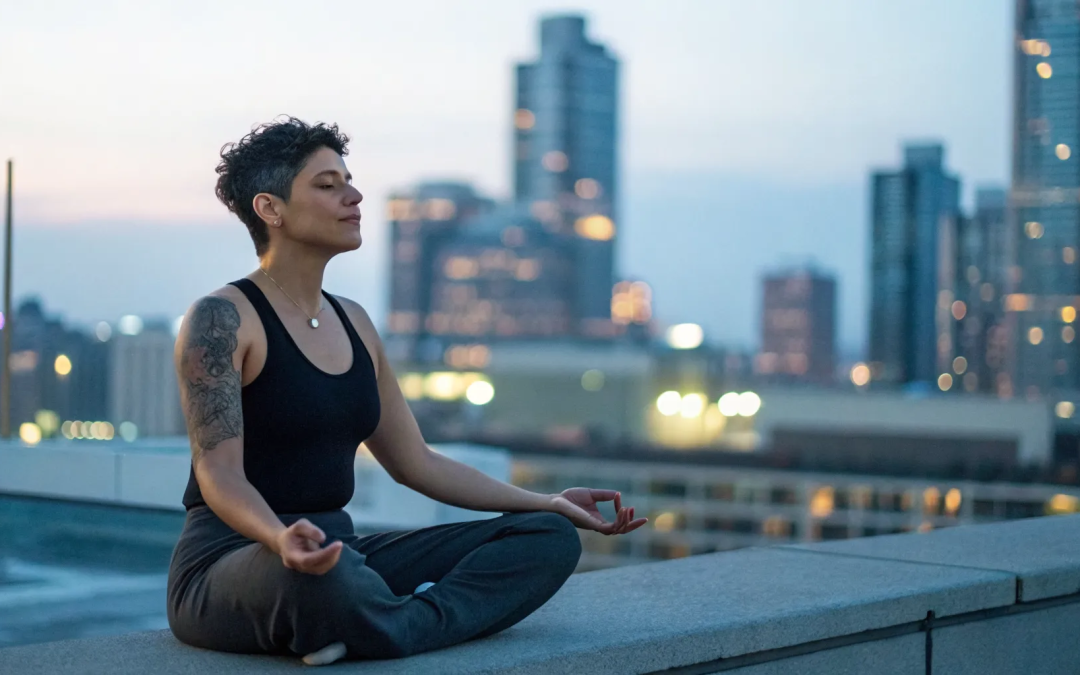
Sometimes, you can talk about a feeling for years, understanding it with your mind, but still feel its weight in your body. That’s because healing isn’t just an intellectual process; it’s a physical one, too. Our bodies hold the score of our lives, storing memories and emotions in our tissues. This is where breathwork for emotional release offers a different kind of healing. It bypasses the thinking mind and goes straight to the source, using your own breath to gently loosen the grip of old pain. It’s a somatic practice that helps you physically let go, creating the internal space needed for true spiritual transformation.
Key Takeaways
- Calm Your Nervous System to Release Emotion: Conscious breathing tells your body it’s safe, moving you out of a stress response. This state of physical calm is what allows stored emotions to finally surface and be released.
- Match the Technique to Your Moment: Breathwork isn’t one-size-fits-all; it’s a collection of tools. Use quick practices like Box Breathing for immediate calm, or explore deeper methods when you’re ready for a more profound release.
- Prioritize Safety by Starting Slow and Seeking Guidance: Begin with gentle breathing exercises to build comfort and trust with the practice. For deeper work, especially if you have a history of trauma, a guide provides the essential support needed for a safe and transformative spiritual experience.
What Is Breathwork for Emotional Release?
We all know that feeling of taking a deep, satisfying breath when we’re stressed. It’s an instinct. But what if you could turn that simple reflex into a powerful practice for deep emotional and spiritual healing? That’s where breathwork comes in. It’s a way to consciously work with your breath to release old patterns, soothe your nervous system, and create space for profound peace.
Think of it as a direct line of communication with your body and soul. By intentionally changing your breathing patterns, you can shift your entire state of being. It’s a practice that helps you move through stuck emotions and reconnect with the love and truth that are always within you. This is a foundational step in many spiritual practices, including the work we do in the Spiritual Awakening Circle, where connecting to the body is key to hearing the Divine.
More Than Just a Deep Breath
At its core, breathwork is the practice of using conscious, controlled breathing to create a change in your physical, mental, or emotional state. It’s far more intentional than just remembering to breathe deeply. During a breathwork session, you follow specific patterns of inhalation and exhalation to guide your body into a different state of awareness. This allows you to access and process feelings that might be buried under the surface of your daily thoughts. It’s a simple yet profound tool that you can use to support your own healing journey, anytime and anywhere.
Understanding How Your Body Holds Emotion
Have you ever noticed your shoulders tense up when you’re anxious, or a knot form in your stomach when you’re upset? That’s because emotions aren’t just abstract feelings; they have a physical presence. Our experiences, especially the difficult or traumatic ones, can get stored in your body as chronic muscle tension, shifts in posture, and shallow breathing patterns. Over time, these unprocessed emotions can contribute to ongoing stress, anxiety, and even physical discomfort. Breathwork provides a gentle yet direct way to meet these stored emotions, allowing them to finally be felt, moved, and released from your body, creating true and lasting relief.
The Science of Release: What Happens in Your Body?
While the experience of releasing stored emotion through breathwork can feel deeply spiritual and even magical, there’s also a fascinating science that explains what’s happening inside your body. Understanding this physical process can help you trust what you’re feeling and lean into the healing journey with more confidence. When you intentionally change your breathing, you aren’t just calming your mind; you are sending powerful signals to your nervous system, changing your brain chemistry, and creating the perfect internal environment for profound release and spiritual connection. It’s a beautiful partnership between your body’s wisdom and your soul’s desire to heal.
Shifting from “Fight or Flight” to “Rest and Digest”
Most of us spend our days in a low-grade state of “fight or flight.” This response, managed by your sympathetic nervous system, is designed to handle immediate threats. But constant stress from work, relationships, and daily pressures keeps it switched on, leaving us feeling anxious and tense. Breathwork is a direct line to the “off” switch: the parasympathetic nervous system, also known as your “rest and digest” mode. When you breathe slowly and deeply, you signal to your body that you are safe. This simple act allows your system to stand down, creating the safety needed for your body to begin its natural healing processes and release long-held emotional tension.
Building Your Capacity for Emotional Resilience
Have you ever noticed how some days you can handle anything, while on others, the smallest thing throws you off? This is related to your emotional resilience, which can actually be measured. Scientists look at something called heart rate variability (HRV), which is the natural variation in time between your heartbeats. A higher HRV is a sign of a healthy, adaptable nervous system that can gracefully handle stress. Consistent breathwork practice is one of the most effective ways to improve your HRV. By practicing, you are actively training your nervous system to be more flexible, building a stronger foundation to face life’s challenges with a sense of calm and centeredness.
The Chemistry of Calm: Your Brain on Breathwork
Your brain and body are in constant communication through a network of nerves, with the vagus nerve acting as the main information highway. Slow, intentional breathing stimulates this crucial nerve, sending a powerful message to your brain to relax. This activation helps lower your heart rate, reduce blood pressure, and release calming neurochemicals. It’s like hitting a reset button on your entire system, quieting the mental chatter and soothing frayed nerves. This state of deep calm creates the internal space necessary to hear your own inner wisdom and connect with the Divine. It prepares you to receive the kind of deep insights that come forward in practices like Channeled Spiritual Healing Sessions.
Accessing Deeper States of Awareness
Breathwork does more than just relax you; it can guide you into altered states of consciousness where true transformation happens. Specific techniques can shift your brainwave patterns from the busy, analytical “beta” state to the more creative “alpha” and even the deeply meditative “theta” state. In these deeper states, your thinking mind quiets down, allowing you to access subconscious emotions and memories without judgment. This is where you can experience profound emotional releases, gain spiritual insights, and feel a powerful sense of connection to everything. It’s in this sacred space that you can truly open up to guidance, a core part of joining a Spiritual Awakening Circle.
6 Breathwork Techniques to Help You Release
Think of breathwork not as a single tool, but as a whole toolkit for emotional and spiritual well-being. Each technique offers a different path to release, and what works for you one day might be different the next. Some methods are designed for deep, transformative journeys, while others offer quick, in-the-moment relief from stress or anxiety. The beauty is in the variety. You can find a practice that feels gentle and nurturing or one that guides you into the deeper corners of your consciousness for profound healing.
As you explore these techniques, approach them with curiosity and self-compassion. There’s no right or wrong way to feel during a session. The goal is simply to connect with your breath and allow your body’s innate wisdom to come forward. Whether you’re looking to calm a racing mind, process old grief, or simply feel more present in your daily life, there is a breathing practice here for you. Let’s look at six popular techniques that can help you on your journey of release and reconnection.
Holotropic Breathwork
Holotropic Breathwork is a powerful practice designed to guide you into a non-ordinary state of consciousness for deep healing. Developed by psychiatrists Stanislav and Christina Grof, it involves breathing faster and deeper than usual to music, often in a group setting with a trained facilitator. This process can help you access and release deep-seated emotional patterns and traumas that may be held in your body and psyche. Many people find that Holotropic breathwork allows them to experience profound emotional release and spiritual insights, sometimes without needing to talk through the experience at all. It’s a journey inward, trusting the breath to lead you where you need to go.
Transformational Breathwork
If you’re looking for a practice that integrates the body, mind, and spirit, Transformational Breathwork might be for you. This technique combines a specific circular breathing pattern with body mapping (a form of gentle touch), sound, and movement to help clear emotional blockages. The focus is on opening up your entire respiratory system to create a more connected and flowing breath. As you breathe, a facilitator may apply light pressure to certain points on your body to help release tension. This method is wonderful for clearing out stuck energy and can bring feelings of deep peace and clarity.
Pranayama (Yogic Breathing)
Pranayama is the ancient yogic art of breath regulation. It’s not just one technique but a whole family of practices designed to work with prana, or life force energy. You may have heard of some of them, like Ujjayi (Ocean Breath) or Nadi Shodhana (Alternate Nostril Breathing). Each practice has a specific purpose, whether it’s to energize the body, calm the nervous system, or prepare the mind for meditation. Pranayama teaches you to consciously control the pace and depth of your breath, which directly influences your physical and emotional state, making it a cornerstone of many spiritual practices.
Cyclic Sighing
This simple yet incredibly effective technique has been getting a lot of attention, and for good reason. Research from Stanford University found that cyclic sighing, which emphasizes a prolonged exhale, is remarkably good at reducing stress in real-time. To practice it, you take two inhales through your nose (a big one, then a smaller top-up) followed by one long, complete exhale through your mouth. Just a few rounds of this can trigger your body’s relaxation response and help you feel calmer almost instantly. It’s a perfect tool to use when you feel overwhelmed or anxious.
Box Breathing
If your mind feels scattered or you’re caught in a loop of anxious thoughts, Box Breathing is a fantastic technique for grounding yourself. It’s a simple, rhythmic practice used by everyone from Navy SEALs to yoga practitioners to restore focus and calm. You simply inhale for a count of four, hold your breath for four, exhale for four, and hold again for four. Visualizing a box as you go can help. This balanced pattern helps regulate your nervous system and brings your attention squarely into the present moment, making it easier to manage strong emotions as they arise.
Diaphragmatic Breathing
Also known as belly breathing, this is one of the most foundational breathing exercises you can learn. Many of us tend to breathe shallowly into our chests, especially when we’re stressed. Diaphragmatic breathing retrains you to use your diaphragm, the large muscle at the base of your lungs, for a deeper, more efficient breath. To try it, place one hand on your chest and the other on your belly. As you inhale slowly through your nose, focus on letting your belly expand. As you exhale, let your belly fall. This simple act helps relax the body and reduce physical tension, creating the perfect conditions for emotional release.
What to Expect During Your First Session
Your first breathwork session is a personal and often profound experience. There’s no right or wrong way to feel, and the most important thing is to approach it with an open heart and a sense of curiosity. Think of it as creating a dedicated space to listen to your body and spirit. While every journey is unique, knowing some common experiences can help you relax into the process and welcome whatever comes up for you. A guided session provides a safe container for this exploration, allowing you to let go and receive the healing you need.
Common Physical Sensations (Tingling, Temperature Shifts, and More)
As you begin to breathe more deeply and consciously, you might notice some new physical sensations. It’s very common to feel tingling in your hands and feet, changes in body temperature, or even some light shaking. These feelings are simply signs that energy is moving through your body. You might also feel an urge to laugh, cry, or make a sound. This is your body’s natural way of releasing stored tension that no longer serves you. Instead of analyzing these sensations, the invitation is to simply notice them and allow them to be, trusting that your body knows exactly what it’s doing.
Welcoming the Emotional Waves
Breathwork for emotional release does exactly what its name suggests: it helps you release emotions. During a session, it’s normal for old feelings or memories to surface. You might experience waves of sadness, joy, anger, or a deep sense of peace. These are not new emotions being created; they are old, stored energies finally being given a chance to move out of your system. The key is to welcome them without judgment. By allowing yourself to feel these emotional waves, you are participating in a profound spiritual awakening and making space for more love and light to enter your life.
How Breathwork Supports Your Other Healing Practices
Breathwork is a powerful practice on its own, and it also beautifully complements other healing work you may be doing. It works on a somatic level, helping to release emotions and trauma stored in the body’s tissues that talk therapy or intellectual understanding alone might not reach. This physical release can make your spiritual mentorship or therapy sessions even more effective, as it helps clear the energetic static. By integrating breathwork, you create a holistic approach to your well-being, addressing your mind, body, and spirit in a deeply connected way, which is a core part of the channeled healing process.
Is Breathwork Safe for Everyone?
Breathwork is a deeply personal and powerful practice, and like any tool for transformation, it’s important to approach it with awareness. While many people find it incredibly healing, its safety depends on your unique physical and emotional landscape. The goal is to create a supportive space for release, not to push your system into overwhelm. Thinking about your personal history and current health is a crucial first step in using your breath as a pathway to healing.
Because some techniques can bring up intense feelings and physical sensations, it’s wise to consider if you need extra support. For many, this means working with a guide who can hold space for whatever comes up. This journey is yours, and choosing the right approach is an act of profound self-care. When you honor your body and your story, you create the best conditions for a truly healing experience, whether you’re practicing on your own or within a guided Channeled Spiritual Healing Session.
A Gentle Approach for Trauma Survivors
If you have a history of trauma, it’s essential to approach breathwork with gentleness and support. The practice is designed to help release emotions stored in the body, and for survivors, this can trigger intense and sometimes overwhelming physical and emotional responses. This is why many experts advise starting your practice with a qualified and certified breathwork facilitator. A trusted guide can create a safe container for your experience, help you make sense of what arises, and gently lead you back to a feeling of groundedness. This kind of compassionate support is central to true healing, and finding a guide you resonate with can make all the difference.
When to Check In with Your Doctor First
Your physical health is just as important as your emotional readiness. Certain breathwork techniques, especially accelerated styles like Holotropic breathing, can significantly affect your cardiovascular and nervous systems. For this reason, it’s best to avoid these more intense practices if you are pregnant or have a history of cardiovascular issues, high blood pressure, or epilepsy. Before you begin any new breathwork routine, especially one that involves rapid or forceful breathing, a quick conversation with your doctor is a great way to ensure you’re choosing a practice that will support your overall wellbeing. This simple step empowers you to move forward with confidence and care.
Why It’s Best to Start Slow and Gentle
Think of breathwork as a relationship you’re building with your body’s inner wisdom. It’s a practice that helps you gently access and release old emotions that may feel like a weight you’ve been carrying. Many people describe their first sessions as a profound emotional release, often involving tears that feel cleansing and deeply relieving. To allow for this, it’s best to start slow. Begin with simpler, calming techniques like diaphragmatic breathing or box breathing. As you become more comfortable, you can explore other methods. Remember, breathwork is often most effective when it’s part of a larger ecosystem of support, like a Spiritual Awakening Circle or other therapeutic practices.
Deepen Your Practice with Spiritual Guidance
While you can certainly practice breathwork on your own, there comes a point where you might feel called to go deeper. Moving beyond simple relaxation and into the realm of spiritual healing often requires a sense of safety and direction that a trusted guide can provide. When breathwork becomes a spiritual tool, it’s no longer just about managing emotions; it’s about creating a sacred space to meet the Divine within you.
Guidance helps you make sense of the profound experiences that can arise, from emotional waves to spiritual insights. A teacher or mentor can hold space for your healing, ensuring you feel supported as you release old patterns and open yourself to a higher truth. This partnership can transform your practice from a personal exercise into a profound spiritual journey.
The Power of a Trusted Guide
Think of a spiritual guide as someone who holds the lantern for you in unfamiliar territory. Breathwork can be a powerful bridge to higher states of consciousness, but the journey can sometimes feel intense. A guide provides a safe container for your experience, helping you process the deep emotions and energies that surface. They can help you interpret your experiences and integrate the healing into your daily life, so the release you feel during a session creates lasting change. This kind of mentorship is invaluable for anyone looking to use breathwork for true spiritual ascension. With a guide, you can confidently explore deeper layers of your being, knowing you are held in a space of unconditional love and support.
Weaving Breathwork into Your Daily Spiritual Routine
Integrating breathwork into your daily life is how you turn a technique into a living practice. It doesn’t have to be a long, formal session every time. Simply beginning your day with a few intentional, diaphragmatic breaths can set a tone of peace and presence. You can use a moment of cyclic sighing before prayer or meditation to quiet your mind and open your heart. As you practice paying attention to your breath, you create stillness, making it easier to attune to God’s voice and guidance. This simple act becomes a constant, gentle return to your spiritual center. Finding a community, like in a Spiritual Awakening Circle, can also provide the structure and encouragement to make this a consistent and cherished part of your routine.
Related Articles
- 9 Ways to Clear Spiritual Blockages & Feel Lighter
- Spiritual Healing for Beginners: Principles, Techniques & Benefits | Mark Anthony Lord
- How to Achieve Chakra Alignment: A Beginner’s Guide
- Chakra Alignment for Beginners: Simple Steps to Balance Energy | Mark Anthony Lord
- Meditation to Attract Miracles: The Ultimate Guide
Frequently Asked Questions
How is breathwork different from meditation? Think of meditation as a practice of observation, where you learn to watch your thoughts and feelings without getting attached to them. Breathwork, on the other hand, is a more active practice. You are intentionally using your breath as a tool to create a shift in your physical and emotional state. While both lead to greater awareness, breathwork uses the body as the primary gateway to release stored energy and access deeper states of consciousness, making it a very direct and physical experience of healing.
I’m nervous about releasing strong emotions. What if it’s too much? It’s completely normal to feel a little apprehensive. The purpose of breathwork is to create a safe space for these feelings to finally be felt and released, not to overwhelm you. The key is to start gently. Begin with calming techniques like belly breathing and always give yourself permission to slow down or stop if it feels too intense. Working with a trained facilitator, especially at first, can provide a supportive container, helping you feel secure as you allow your body’s wisdom to come forward.
How do I know which breathwork technique is right for me? The best technique is the one that feels right for you in the moment. If you’re feeling anxious and need immediate calm, a few rounds of Cyclic Sighing or Box Breathing can be incredibly grounding. If you’re looking to build a consistent daily practice, Diaphragmatic Breathing is a wonderful foundation. For deeper, more transformative work on your spiritual journey, you might feel called to explore practices like Holotropic or Transformational Breathwork with a guide. Let your curiosity lead and trust that your needs will show you the way.
How long does it take to feel the benefits of breathwork? The beautiful thing about breathwork is that you can feel a shift almost immediately. A single session can leave you feeling calmer, clearer, and more connected to yourself. Just a few minutes of intentional breathing can soothe an anxious mind in real-time. The long-term benefits, like increased emotional resilience and a deeper spiritual connection, come from consistent practice. Like any relationship, the more time and attention you give to it, the more profound the connection becomes.
Is it normal to feel tingling or lightheaded during a session? Yes, it is very normal to experience a range of physical sensations. Tingling in your hands and feet, feeling hot or cold, and even some lightheadedness are common signs that you are changing the chemistry in your body and moving energy. These feelings are temporary and part of the process. Instead of being alarmed, try to get curious about them. See them as confirmation that your breath is creating a powerful and positive shift within your system.